
The Illusion of Control
One of the primary psychological tricks casinos employ is the illusion of control. This concept suggests that players believe they can influence the outcome of games, even when results are purely random. Slot machines often feature buttons that players can press to spin the reels or stop them, giving the impression that they are in command of the game. This feeling of agency can keep players engaged for longer periods, as they believe their choices might lead to better outcomes. For instance, some might believe that playing slots online real money provides them with greater control over their gaming experience.

This tactic is further enhanced in games like craps or blackjack, where players make decisions that affect the game’s flow. The notion that skill can sway the results keeps players returning, pushing them to play more in hopes of scoring a big win based on their decisions.
The Power of Sound and Lighting
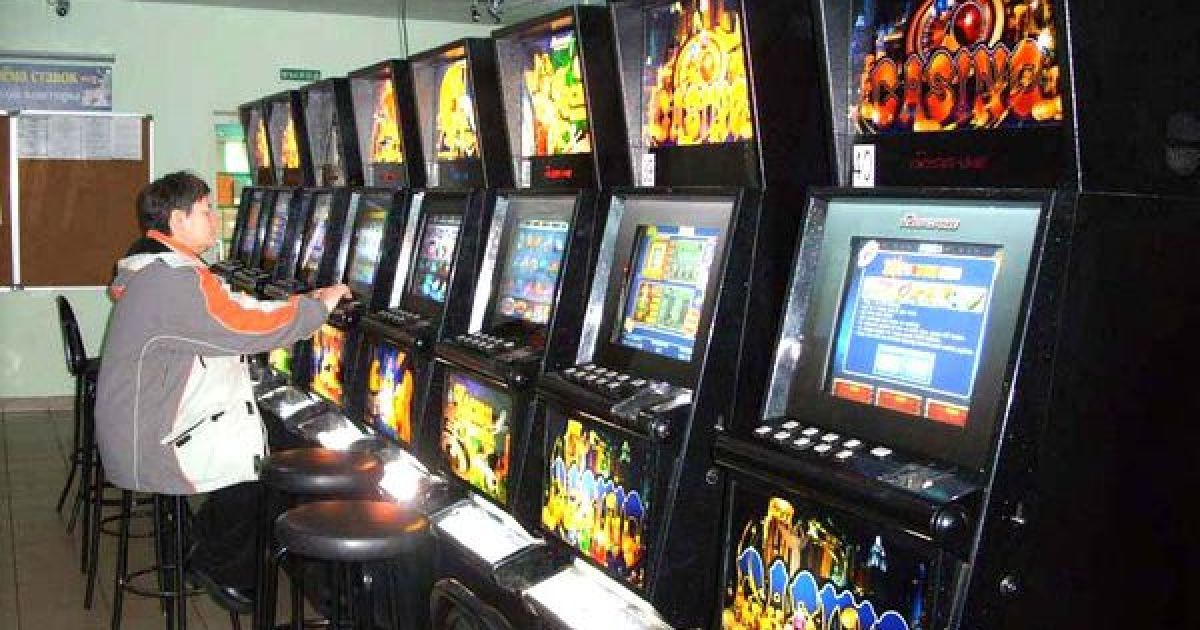
Casinos are designed to immerse players in a sensory-rich environment that keeps them engaged. The use of bright lights, vibrant colors, and enticing sounds creates an atmosphere of excitement and urgency. Slot machines, in particular, are equipped with celebratory sounds that trigger when players win—even small amounts—which reinforces positive feelings. This sensory feedback encourages players to continue playing, as they associate the sounds with potential rewards.
Moreover, the ambient noise in casinos creates a buzz that can heighten excitement and reduce the perception of time passing. The combination of these elements contributes to a space that feels lively and rewarding, further motivating players to stay and play longer.
The Role of Rewards and Loyalty Programs
Casinos strategically implement rewards and loyalty programs to create a sense of belonging and encourage frequent visits. Players earn points for every dollar they bet, which can be redeemed for cash, meals, or entertainment. This system not only incentivizes players to keep wagering but also enhances their attachment to the casino brand. The anticipation of rewards can create a powerful emotional response, prompting individuals to chase their next win.
The thrill of receiving rewards can create a cycle of behavior where players think they are continuously progressing toward larger prizes. This constant reinforcement plays a significant role in player retention, as the allure of rewards keeps them engaged even when their overall experience may not be favorable.
The Influence of Near Misses
Another psychological trick utilized by casinos is the manipulation of near misses, which can lead to increased motivation to continue playing. A near miss occurs when players come close to winning, such as landing two out of three matching symbols on a slot machine. Research shows that these experiences can be more motivating than actual wins, as players interpret near misses as signals that they are “due” for a win.
This phenomenon keeps players hopeful and eager to try again, significantly extending their playtime. By strategically designing games to incorporate these near-miss outcomes, casinos can maintain player engagement and increase the likelihood of continued spending.
Understanding Judicial Processes through Insights
For those interested in the interconnectedness of various systems, understanding judicial selections is crucial. While the focus shifts from the casino world to the legal system, platforms like JudicialSelection.us provide valuable resources that enhance public comprehension of judicial appointments. This site offers insights into the complexities of how judges are selected and the implications for the legal framework.
Engaging with such resources allows individuals to navigate the intricacies of the judiciary, much like understanding the psychological tactics employed in gambling can help players make informed choices about their gaming habits. Whether you’re a legal professional or someone interested in the judiciary, knowledge is a powerful tool in both contexts.